

Yale University
Admission Rate:
4%
Undergrad Enrollment:
6,758
Jewish Enrollment:
800 (12%)
Tuition:
$94,100
Test Scores:
ACT (33-35), SAT reading (730-780), SAT math (740-790)
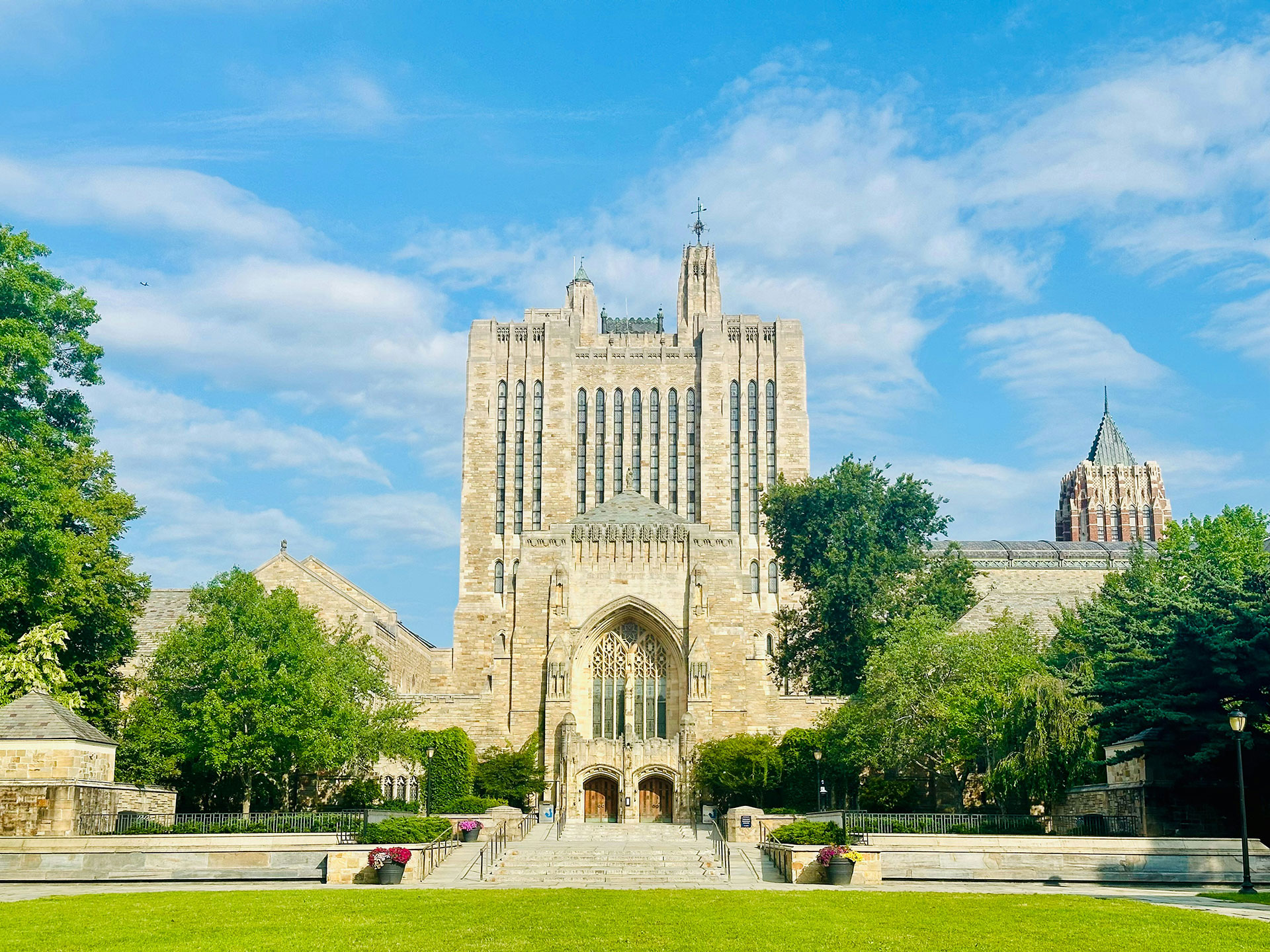
Overview
1
Western Civilization & American Civics

2
Jewish & Israel Studies

3
Outstanding Faculty

4
Jewish Life & Israel Engagement

5
Campus Clubs & Intellectual Culture

6
Antisemitism & Anti-Zionism

7
National Rankings


The JNS Campus Report: Our Methodology

This profile is part of the JNS Campus Report, an effort to evaluate American universities according to criteria that truly matter. We assess institutions across seven distinct fields: (1) the depth of their commitment to Western Civilization, American civics, and great books education; (2) the excellence of their teaching in Jewish and Israel Studies; (3) the presence of world-class faculty in the humanities and social sciences; (4) the quality of Jewish life and Israel engagement on campus; (5) conservative and independent intellectual life outside the classroom; (6) the presence and depth of antisemitism and anti-Zionism on campus; and (7) their standing in the national rankings ecosystem.
Yale has held onto more academic rigor than many of its peers, and its Great Books program, Directed Studies, has proven more resistant to ideological revision than comparable programs at peer institutions. The program is a one-year, full-time intensive for freshmen running three parallel sequences—literature from Homer on, philosophy from the pre-Socratics, and the history of Western political thought—and covers many of the great authors and texts of the Western tradition. On the other hand, it does not offer a deep instruction in Hebraic Civilization or Jewish thought. The Jewish Studies faculty has a few bright spots.
A strong Jewish population and surrounding community make Yale fairly welcoming for observant students. Kosher dining is included in the meal plan. Orthodox services run daily through JLIC. Yale sits within the New Haven eruv, which offers a number of restaurants. Rabbi Yehiel Rosenberg and Rachel Patinkin joined as the OU-JLIC couple in Fall 2026, and the Young Israel House at Yale runs independent Orthodox student programming.
Still, politically, life for pro-Israel students is complicated. Hillel is committed to pluralism over Zionism, and some strongly pro-Israel students avoid it for that reason. The Jewish Studies department declines to co-sponsor events with Yale Friends of Israel while other departments partner with pro-Palestinian organizations. President Peter Salovey’s handling of the April 2024 Beinecke Plaza encampment was more robust than many Ivy League peers. The response to the encampments led to 48 arrests on April 22 and a voluntary dismantlement on April 30, though with limited discipline afterward.
Western Civilization & American Civics
Does Yale have BA programs, honors programs, or a unique school focused on the study of Western Civilization and American civic leadership? Are there exceptional programs or departments in the humanities and social sciences?
- Yale does not have a full-scale degree-granting program or dedicated faculty focused on the study of Western Civilization or American civics. It does offer the Directed Studies program as a great books education for students who seek one.
- Directed Studies is Yale’s flagship liberal arts program for freshmen—a one-year, full-time intensive covering three parallel sequences: Literature (Homer through the twentieth century), Philosophy (pre-Socratics through modern philosophy), and Historical and Political Thought (the history of Western political philosophy). The program is not mandatory but students who enter it receive a foundation in the Western intellectual tradition that is unfortunately rare in American universities.
- Directed Studies’ reading list has proven more resistant to ideological revision than comparable programs at peer institutions. The sequences cover Gilgamesh and Homer, Greek tragedy and philosophy, the parts of the Torah and Augustine, Anselm and Aquinas, Machiavelli and the moderns through Nietzsche and Arendt. The teaching is done by faculty who care about the texts, and the program has maintained a reputation for intellectual seriousness that prospective students with great books ambitions should know about.
- For students interested in Hebraic civilization, the program has major holes. The program has very little Tanakh, and no Maimonides, or other parts of the Jewish thought tradition.
- Yale’s overall humanities infrastructure, including the political theory offerings in political science and the government department, supports strong advanced study in Western political philosophy for students who complete Directed Studies and wish to continue in that vein.
Jewish & Israel Studies
Does Yale have excellent professors, courses, or programs on Jewish thought and civilization and on Israel and the modern Middle East?
Yale’s Hebrew language program is strong: Dr. Shiri Gordon, Dr. Dina Roginsky, and Orit Yeret teach modern Hebrew through multiple levels, from elementary instruction through advanced courses including Israel in Ideology and Practice and The Classics of Modern Hebrew Literature. The program fulfills the undergraduate language requirement and is well-regarded by students. Yale also offers Aramaic, Biblical Hebrew, and Yiddish—a fuller range of Jewish linguistic study than is available at most universities.
The Shalom Hartman Institute partnership—Yallies in Israel—provides funded summer projects and internships in Israel for students interested in serious Jewish intellectual and professional development. Yale’s Israel study abroad program through Hebrew University is currently suspended for safety reasons.
Ivan Marcus
Teaches the primary courses on Jewish history from biblical times through the Medieval period, as well as the rise of anti-Semitism in Europe and the history of Jews in Muslim lands.
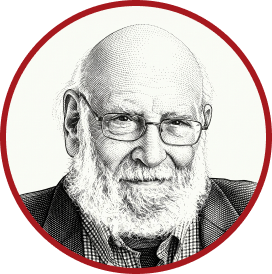
Eliyahu Stern
Professor of Modern Jewish Intellectual and Cultural History. He teaches about European intellectual history, the growth of the political right, as well as eighteenth and nineteenth century rabbinic and Jewish thought.
Outstanding Faculty
Does Yale have world-class faculty in the humanities and social sciences?
Yale’s humanities faculty includes scholars of national and international distinction across multiple fields, though the departments as a whole reflect the broader ideological patterns visible at elite research universities.
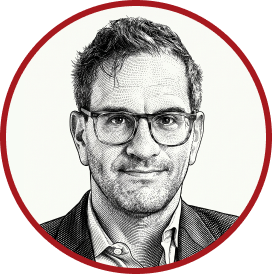
John Lewis Gaddis
One of the most distinguished Cold War historians in the world, whose decades of work on grand strategy, American foreign policy, and the history of the Cold War have made him a major figure in strategic studies. He teaches on strategy and history.
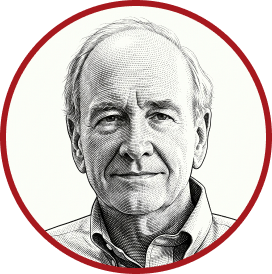
Steven B. Smith
A prominent scholar of political theory, and one of the leading readers of Leo Strauss. Smith has written extensively on Jewish concerns as well as political ones, having written books on Spinoza and Strauss in their Jewish contexts. He teaches courses in Directed Studies, as well as on classical and early modern political theory.
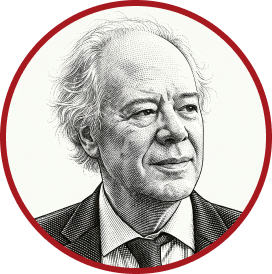
Samuel Moyn
Faculty in Jewish Studies, as well as in Law and History, Moyn frequently teaches about international law and European intellectual history. His work has covered twentieth-century Jewish intellectuals such as Hermann Cohen and Franz Rosenzweig.
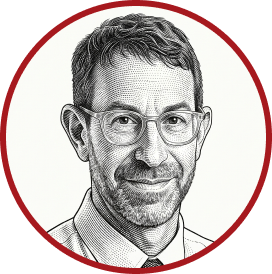
Bryan Garsten
A scholar on modern political theory, and promoter of liberal education. Garsten teaches in Directed Studies and has worked to expand that program.
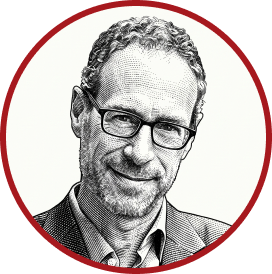
Stephen Skowronek
A prominent political scientist and historian of American political development, who has written extensively on the executive branch.
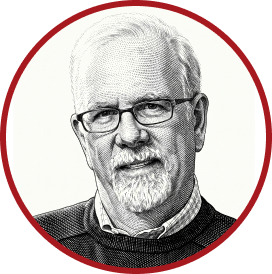
Jewish Life & Israel Engagement
How strong is Jewish life on campus — including religious community, rabbinic leadership, kosher infrastructure, and pro-Israel engagement?
Chabad
Yale Chabad is run by Rabbi Meir Chaim and Devora Leah Posner. Most Jewish students attend both Chabad and Hillel, but Chabad draws a distinct constituency.
- Student Base: Chabad specifically attracts strong Zionists, both observant and non-observant, and Greek Life students.
- Programming: Weekly Shabbat dinners, a variety of classes, and a vibrant Chabad Sisterhood. Chabad also holds Shabbat minyanim.
Slifka Center (Yale Hillel)
The Slifka Center, Yale’s Hillel, is the physical and institutional center of Jewish life on campus. It houses the kosher dining hall and the daily minyanim, which is why it attracts most of Yale’s observant students even though its own orientation lies elsewhere.
- Leadership: Executive Director Uri Cohen runs the Slifka Center, supported by a team of rabbis and Jewish educators, including an OU-JLIC couple.
- The JLIC Transition: JLIC is well integrated into Hillel, and there is a new OU-JLIC couple as of Fall 2026. Rabbi Yehiel Rosenberg and Rachel Patinkin have just joined the Yale community. Yehiel “grew up in Jerusalem and studied at Yeshivat Elon Moreh. After completing his army service, he went on to study law at Bar-Ilan University.” Rachel grew up in Beit Shemesh, Israel, and after her service, she studied Torah at Midreshet Nishmat in Jerusalem. “Rachel holds a bachelor’s degree in Education from Herzog College and a master’s degree in Political Science and International Relations from Hebrew University.”
- Orientation: Hillel is a big tent organization. It attracts most of Yale’s observant students because of the infrastructure and resources it provides—kosher dining and daily minyanim—but is largely attended by Reform and more secular students. It also has a complicated relationship with Israel because of the wide array of Jewish students it serves: it is committed to pluralism over Zionism, and some strongly pro-Israel students avoid Hillel for that reason.
Young Israel House at Yale (YIHY)
Orthodox students run an independent student group called YIHY, the Young Israel House at Yale.
- Relationship to JLIC: The group worked closely with the previous JLIC rabbi, Alex Ozar, to ensure access to everything necessary for observant life. This relationship will likely continue with the new JLIC couple.
- Programming: YIHY has Torah learning opportunities throughout the week and hosts social events.
Religious Infrastructure
Yale has all the resources necessary for a high standard of observant life.
- Kosher Dining: In partnership with the campus Hillel, Yale has a fully kosher dining hall included in its meal plan. Located at Hillel’s Slifka Center, it offers lunch and dinner as well as informal breakfasts. When meals are not available, Hillel provides money to observant students for kosher catering. There are also a few kosher restaurants in New Haven and kosher food is available in local grocery stores.
- Daily Minyanim: There are daily Orthodox minyanim for shacharit, mincha, and maariv through JLIC at the Slifka Center. On Shabbat there are minyanim at Chabad and Hillel, with Hillel offering Reform, Conservative, and Orthodox options.
- Eruv: Yale is within the New Haven eruv.
- Accommodations: Religious accommodations are standard and easy to obtain. For academic accommodations, including rescheduling exams or excusing absences for holidays, students speak directly with their instructors. For religious housing accommodations—Shabbos keys, access to single-gendered bathrooms, and non-automatic lighting and plumbing—students work with their residential college and housing team.
Pro-Israel Engagement
The Zionist organizations at Yale are Yale Friends of Israel, and TAMID. Yale Friends of Israel is housed under Hillel.
- Yale Friends of Israel
- Housed under Hillel. The Jewish Studies department declines to cosponsor events with it, while other academic departments partner with pro-Palestinian campus organizations.
- TAMID
- Connects students to the Israeli business community.
- Campus Environment
- Jewish students can have a thriving social life at Yale within the Jewish community and, to some extent, outside of it. Many Jewish students at Yale are not pro-Israel or have complicated relationships with the country. It can be uncomfortable on campus for ardent pro-Israel voices, but it is not unsafe. Much of the controversy about Israel and Zionism is most expressed as infighting within the Jewish community.
Campus Clubs & Intellectual Culture
What intellectually serious clubs, publications, and organizations exist outside of the formal curriculum?
- Tikvah
- Yale has a Tikvah campus chapter that meets for weekly text study.
- The Buckley Beacon
- The Buckley Beacon is a publication of the Buckley Program, and aims to offer robust and open debate in a campus environment that leans heavily to the left.
- The William F. Buckley, Jr. Program
- “The mission of the Buckley Institute is to promote intellectual diversity and freedom of speech at Yale.” The Buckley Fellows program allows students to network with speakers, attend conferences and participate in development programs.
Antisemitism & Anti-Zionism
How strong are anti-Semitic and anti-Zionist groups and activities on campus? Are there prominent faculty that advance ideas that are actively hostile to Israel and the Jewish people?
Yale’s encounter with the October 7 aftermath was sustained and visible throughout the 2023-24 academic year, building through hunger strikes, marches, and rallies before culminating in the April 2024 Beinecke Plaza encampment. President Peter Salovey’s approach was consistent with the framework he articulated publicly: protect free expression, warn that encampments violate campus policies, and enforce when warnings are ignored—without negotiating the core rules in exchange for protest compliance.
The encampment was established on April 19 with approximately 27 tents. Police entered Beinecke Plaza on April 22, directing participants to leave; 48 protesters were arrested for trespassing or refusal to comply. Many rejoined the encampment after release. The standoff continued for another eleven days, ending on April 30 when demonstrators voluntarily dismantled the site after declining a final offer of administrative meetings, which had been conditioned on dismantlement.
Faculty involvement was present but divided. Two competing letters circulated—one criticizing the arrests, another criticizing the administration’s broader handling—suggesting organized faculty advocacy without a unified pro-encampment faculty front. The administration did not expel students, and most disciplinary consequences were limited.
Post-encampment developments have been significant. In April 2025, Yalies4Palestine re-erected a small encampment during an Itamar Ben-Gvir campus visit. Yale deregistered Yalies4Palestine the following day, citing repeated policy violations and allegations of antisemitic conduct at an unauthorized gathering the night before. An Iranian legal scholar at Yale Law School—Helyeh Doutaghi—was placed on administrative leave in March 2025 over alleged ties to Samidoun (a listed terrorist support organization) and later dismissed after declining to cooperate with an in-person interview process. Critics characterized the dismissal as political repression, while the university characterized it as a standard review of professional conduct.
National Rankings
How does Yale perform in various national rankings?
- Manhattan Institute/City Journal — In Fall 2025, the Manhattan Institute/City Journal produced a new system of college rankings assessing schools on intellectual seriousness, cultural sanity, and overall educational value. The MI/City Journal methodology offers cumulative rankings as well as category-specific rankings.
- Yale ranks 30th overall.
- It ranks 10th in Educational Experience and 24th in Curricular Rigor, reflecting a lack of strong, required liberal arts or civics coursework, while outperforming some of its Ivy peers thanks to initiatives like the Directed Studies program.
- Yale ranks 84th in Faculty Speech Climate.
- Yale ranks 73rd in Leadership Quality, 76th in Commitment to Meritocracy, and 49th in Resistance to Politicization—scores reflecting its large DEI bureaucracy and activist institutional commitments.
- Yale ranks 83rd for “Jewish Campus Climate.”
- Yale ranks 21st in Outcomes, outperforming its overall position, ranking 13th in “Payback Education Investment” and 17th in “Value Added to Career.”
- Wall Street Journal — The WSJ rankings weight outcomes heavily (70%), with salary impact (50%) and graduation rate impact (20%) the dominant factors.
- Yale is currently 3rd in WSJ rankings. It scores very highly on salary impact and graduation rate, brought slightly below the top by uneven student survey results on items such as Learning Opportunities and career preparation.
- ACTA’s “What Will They Learn?” — ACTA grades schools on the strength of their college-wide liberal arts curricula, scoring universities on how many of seven core subjects are required of all undergraduates.
- Yale earns a C. Of the seven core subject areas, Yale only requires three: composition, foreign language, and science.
- ACTA credits the Directed Studies Program and the William F. Buckley Program each as an “Oasis of Excellence.”
- ADL Campus Antisemitism Report Card — In response to the troubled campus environments in the wake of October 7, the ADL has been grading schools on antisemitism from F to A.
- ADL gives Yale a C (marked as an improvement). Yale receives the highest possible scores in publicly disclosed administrative actions (above expectations) and in Jewish life on campus (excellent), while receiving the worst possible score in campus conduct and climate concerns (high).
- Yale gets a green check for things such as having policies requiring mandatory anti-Semitism training for all students, faculty, and staff, and for policies prohibiting disruptions. Despite those policies, the ADL notes alarming levels of severe anti-Semitic and anti-Zionist incidents, hostile groups, and hostile staff and faculty activity. Effectively, the ADL criteria make it impossible to distinguish between schools with significantly variable administrative responses to antisemitism.
- U.S. News & World Report — Yale is 4th in the USNWR national university rankings.
- FIRE — The Foundation for Individual Rights and Expression ranks Yale 72/261 on free speech, down 14 places from 2025, reflecting Yale’s adoption of institutional neutrality. Yale receives an overall grade of D, with a “yellow” spotlight rating, and F grades for political tolerance and administrative support.
- Forbes — Yale is 9th on the Forbes list, reflecting high median salaries, high graduation rates, and the number of Yale graduates in prominent positions across various fields.


