

Emory University
Admission Rate:
11%
Undergrad Enrollment:
7,298
Jewish Enrollment:
1,250 (17%)
Tuition:
$92,706
Test Scores:
ACT (32-35), SAT reading (720-760), SAT math (750-790)
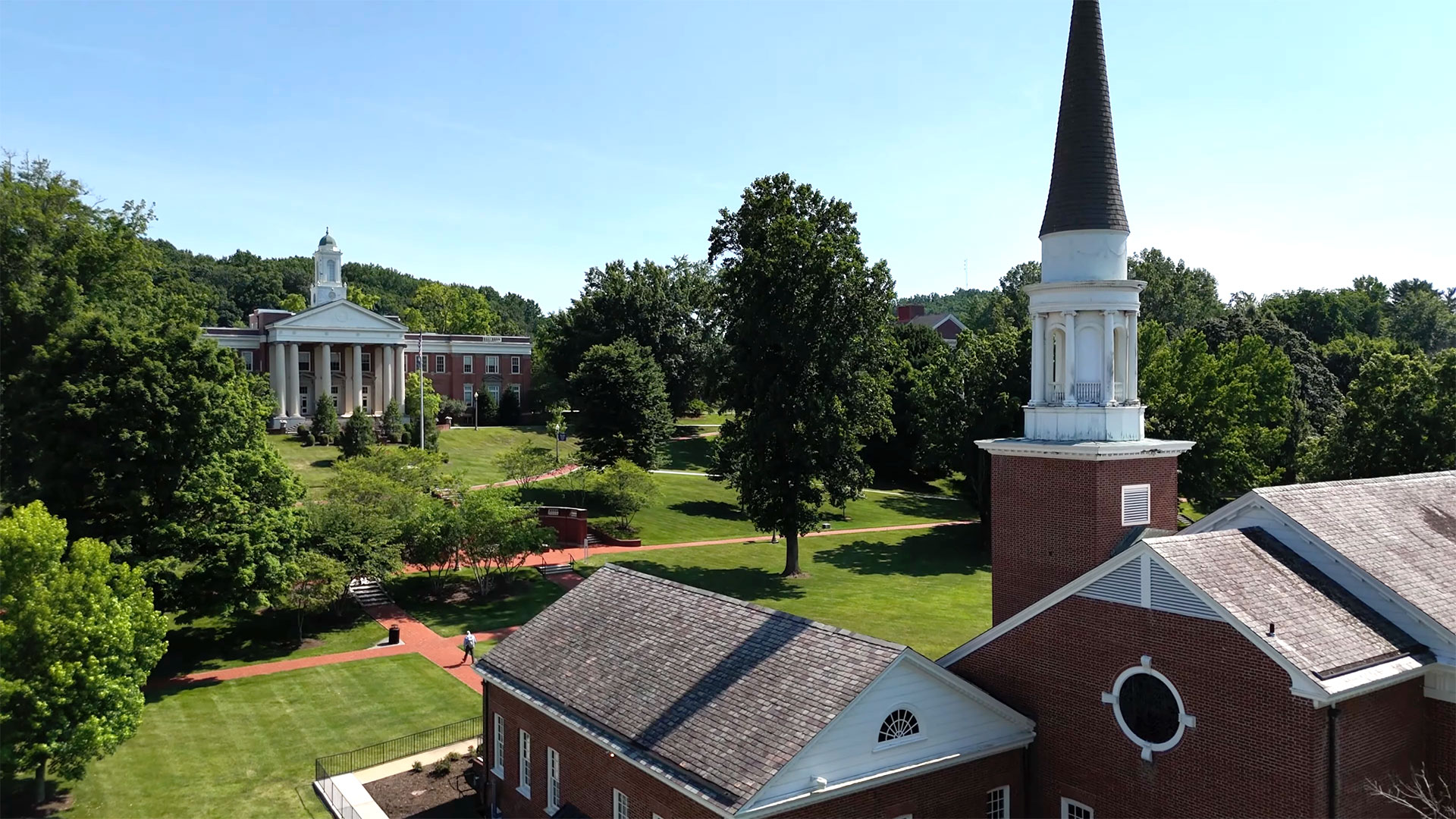
Overview
1
Western Civilization & American Civics

2
Jewish & Israel Studies

3
Outstanding Faculty

4
Jewish Life & Israel Engagement

5
Campus Clubs & Intellectual Culture

6
Antisemitism & Anti-Zionism

7
National Rankings


The JNS Campus Report: Our Methodology

This profile is part of the JNS Campus Report, an effort to evaluate American universities according to criteria that truly matter. We assess institutions across seven distinct fields: (1) the depth of their commitment to Western Civilization, American civics, and great books education; (2) the excellence of their teaching in Jewish and Israel Studies; (3) the presence of world-class faculty in the humanities and social sciences; (4) the quality of Jewish life and Israel engagement on campus; (5) conservative and independent intellectual life outside the classroom; (6) the presence and depth of antisemitism and anti-Zionism on campus; and (7) their standing in the national rankings ecosystem.
Emory’s liberal arts offerings rest on two supplementary programs and the small group of faculty that runs them. The Voluntary Core Curriculum is a Great Books sequence for freshmen and sophomores that offers a small selection of courses on canonical works. The Franklin Fellows Program in Democracy and Citizenship, directed by J. Judd Owen and recognized by ACTA as an Oasis of Excellence, provides a weekly intellectual community and advises on how to assemble the strongest liberal arts course of study available from the existing Emory course catalog.
Both appear to depend on individual energy rather than institutional commitment or major administrative support. Jewish Studies is strengthened by multiple professors who are ordained Orthodox rabbis.
The defining feature of Jewish life at Emory is Toco Hills, a large Orthodox community within walking distance from campus with more than half a dozen kosher restaurants and multiple kosher grocery stores.
Rabbi Zalman and Miriam Lipskier’s Chabad is the largest Jewish organization on campus and draws over 200 to Shabbat dinner. The university runs a kosher meal plan with key-card access to a kosher-only dining section. There is an eruv on campus and around the neighborhood. The Bayit offers Jewish residential housing after freshman year. Chabad holds minyanim on some days and on Shabbat, and students fill the gaps at neighborhood synagogues.
Emory’s Jewish and Zionist organizations showed remarkable cohesion in the wake of Oct. 7. President Gregory Fenves condemned the Hamas attack, and the spring 2024 encampment was cleared the night it was established. However, no significant discipline followed the vandalism and confrontations, and three arrested tenured faculty are now suing the university.
Students applying to, or admitted to, Oxford College should understand it is a different place: a few dozen Jewish students, almost none observant, no eruv, no synagogue, and no permanent Jewish leadership.
Western Civilization & American Civics
Does Emory have BA programs, honors programs, or a unique school focused on the study of Western Civilization and American civic leadership? Are there exceptional programs or departments in the humanities and social sciences?
- Emory does not have, and does not appear to be developing, a degree-granting program dedicated to Western civilization as such. What it offers are two supplementary programs that together provide the best available approximation of a classical liberal education on campus: the Voluntary Core Curriculum and the Franklin Fellows Program in Democracy and Citizenship.
- The Voluntary Core Curriculum is a great books program for freshmen and sophomores, offering a rotating set of courses on the Western canon and its foundational texts. In recent semesters it has included courses on masterworks of classical literature (Homer through Imperial Rome), Shakespeare, great books of intellectual history from Machiavelli through Darwin, the foundations of American democracy through primary sources, and the Bible and its interpretive traditions. The program is serious in its reading lists and benefits from faculty who care about teaching the tradition on its own terms. Its weakness is institutional: it has no standalone department, and no administrative champion beyond the faculty who participate in it. It exists as a supplement to the ordinary curriculum rather than a foundation for it.
- The Franklin Fellows Program in Democracy and Citizenship, directed by Professor J. Judd Owen, provides a more sustained intellectual community for students committed to serious liberal arts study. Fellows meet weekly for informal lunch discussions, participate in reading groups, and receive advising on how to construct the strongest liberal arts curriculum available at Emory from within the existing course catalog. The program has been recognized by ACTA as an Oasis of Excellence. Its dependence on Owen’s personal energy is a structural vulnerability worth noting. This would be a good place for Emory to build upon if it wanted to strengthen its liberal arts offerings.
Jewish & Israel Studies
Does Emory have excellent professors, courses, or programs on Jewish thought and civilization and on Israel and the modern Middle East?
Emory’s Jewish Studies department is uneven but contains considerable individual strengths. Its most distinctive feature is the presence of two faculty members who are also ordained Orthodox rabbis — a combination of scholarly credentials and lived religious commitment that is uncommon in American Jewish Studies departments.
Don Seeman
An Orthodox rabbi and an anthropologist, Seeman holds a joint appointment in Jewish Studies and the Institute for the Study of Inquiry in Education. He teaches Jewish bioethics, the political thought of Maimonides, medieval Jewish thought, and the anthropology of Jewish practice. He is also the rabbi of a Modern Orthodox congregation approximately thirty minutes’ walk from campus—New Toco Shul—making him a point of integration between the academic and communal dimensions of Jewish life. His courses provide students with serious engagement with the Hebraic tradition at a level of philosophical depth that is often absent from Jewish Studies offerings nationally.

Ira Bedzow
an Orthodox rabbi involved in multiple Emory institutes including the Law and Religion Center and the Bioethics Chair. He teaches courses on Jewish law, available to undergraduates. He has taught in Tikvah programs and brings that intellectual orientation to his Emory courses.
Hebrew language instruction is strong: three dedicated instructors—Sagit Shaked, Idit Ben-Simon, and Pazit Kahlon—teach at elementary through advanced levels, including supervised reading in advanced Hebrew, and all three are known to attend pro-Israel student events. Study abroad in Israel is available through partnerships with Tel Aviv and Hebrew universities, though Israel programs are subject to the same safety-related suspensions that have affected them elsewhere.
Outstanding Faculty
Does Emory have world-class faculty in the humanities and social sciences?
Emory’s humanities faculty has excellent individual scholars in political theory, classical studies, and intellectual history, operating within departments that are otherwise undistinguished or tilted toward contemporary critical methods.
Patrick Allitt
A British historian of American history and one of the leading faculty members of the Voluntary Core Curriculum. His great books course, “Texts that Reshaped Civilization,” brings his characteristic range and wit to a syllabus running from Machiavelli through Darwin. Allitt has taught in multiple Tikvah summer programs, primarily on the politics and thought of Winston Churchill, and is among the most pedagogically gifted faculty on campus.

J. Judd Owen
Emory’s sole political theorist in the classical sense—a scholar of the history of political philosophy who teaches courses on Plato’s Republic, classical and modern political thought, and Western civilization. As director of the Franklin Fellowship, he is also the primary institutional custodian of serious liberal arts education at Emory.

Kevin Corrigan
While technically affiliated with Middle Eastern Studies, he is primarily a scholar of Plato and Aristotle with a background in Neoplatonic thought and early Christian texts. His courses on ancient philosophy offer students one of the few places on campus to engage with the Greek tradition philosophically rather than historically.

Frank Lechner
A sociologist whose courses “Sociology of Conservatism” and “Progressivism and Its Discontents” are among the most intellectually honest offerings in Emory’s social sciences. The former surveys American conservative thought from Edmund Burke through the present; the latter requires students to engage the strongest available arguments on both sides of every major contemporary policy debate. Both courses operate with a commitment to intellectual pluralism that is rarer than it should be.

Niall Slater
A classicist who regularly teaches ancient literature for the Voluntary Core Curriculum, with recurring courses on Virgil, Dante, and masterworks of classical literature.

Jewish Life & Israel Engagement
How strong is Jewish life on campus — including religious community, rabbinic leadership, kosher infrastructure, and pro-Israel engagement?
Chabad
Rabbi Zalman and Miriam Lipskier run the Chabad at Emory, the largest and most robust Jewish organization on campus.
- Student Base: Chabad serves the general Jewish population, with many non-observant Jewish students attending weekly Shabbat dinners that draw over 200 people. It also serves as the gathering and community space for Orthodox students, who spend Shabbat and holidays there and attend weekly social and learning programs.
- Minyan: Emory Chabad holds minyanim on Mondays and Thursdays in addition to Shabbat.
Emory Hillel
Emory Hillel, part of Hillels of Georgia, is run by Campus Director Lee Shaffer.
- Leadership: There is currently no rabbi at Emory Hillel. The CEO of Hillels of Georgia is Reform Rabbi Larry Sernovitz. Both Sernovitz and Shaffer have been supportive and accommodating of Orthodox students, but Hillel does not provide the resources or programming to meet the needs of observance.
- Meor: Meor, an affiliate of Olami, is run by Rabbi Yaakov Fleshel and provides social and educational programming to Jewish students on campus. It mostly engages the non-observant Jewish student population, but Rabbi Fleshel is a valuable resource for connecting religious students to the Orthodox community in Toco Hills.
- University Chaplaincy: Emory Jewish Chaplain Rabbi Jordan Braunig is another important figure for Orthodox students on campus, particularly in navigating religious accommodations.
Orthodox Student Life
There is no formal Orthodox student group at Emory. While Chabad is the main source of religious life on campus, many observant students integrate into the nearby Orthodox community in Toco Hills, attending Shabbat and holiday meals and services in the community, and even staying overnight with local families.
Religious Infrastructure
Emory has all the religious infrastructure necessary to live a fully observant Jewish life at college, and its principal advantage is the adjacency of the Toco Hills Orthodox neighborhood.
- Kosher Dining: There is a kosher meal plan—Meal Plan K—available through university dining, though it costs more than other meal options. It provides key-card access to a kosher-only section of the dining hall and includes lunch and dinner every day except Shabbat. On Shabbat, kosher meals are available free of cost at Chabad and Hillel. Kosher food is also easily accessible off campus, especially in the largely Orthodox Toco Hills neighborhood, which has over half a dozen kosher restaurants and multiple fully or partially kosher grocery stores.
- Eruv: There is an eruv on Emory’s campus and around the Orthodox neighborhood adjacent to campus.
- Shabbat Keys and Accommodations: Students can get Shabbos keys and reschedule any exams that fall on holidays.
- Minyanim: Chabad holds a minyan on Mondays and Thursdays in addition to Shabbat. Students can also easily attend minyanim at any number of Orthodox synagogues near campus.
- Jewish Housing: The Bayit is an on-campus Jewish residential and social house, available to students after freshman year, with a kosher kitchen and Shabbat framework.
Pro-Israel Engagement
The Zionist organizations at Emory are the Emory Israel Public Affairs Committee (AIPAC on Campus), Eagles for Israel, the Emory Tikvah Chapter, and TAMID. Chabad and Hillel work closely with the pro-Israel organizations to host and facilitate student events.
- Institutional Cohesion
- One of the biggest strengths of Jewish campus life at Emory is the cohesion and unity between all campus Jewish and Zionist organizations. Post-October 7 in particular, the adult and student leadership of Jewish life and pro-Israel clubs advanced a unified vision of collaborative on-campus events and collectively addressed issues with the university administration.
- Campus Environment
- Emory has a robust and diverse Jewish social life—Greek life, social events at Israel and Jewish organizations, and Farbrengen groups. Observant students are the core of the wider Jewish community at Emory. They are a close group but also integrate into the wider Emory population.
Oxford College
Emory’s Oxford campus, located 45 minutes outside Atlanta, has a completely different Jewish landscape from the Atlanta campus. Because students are admitted directly to Oxford, this is not a marginal detail for a prospective observant student.
- Scale: The 1,000-person campus, made up of freshmen and sophomores, has only a few dozen Jewish students, almost none of whom are observant.
- Organizations: Oxford’s Jewish Student Union is the main fixture of Jewish life. It is entirely student-run and its activities vary greatly from year to year depending on student leadership. The JSU is advised by the Oxford College chaplain, who is a resource for individual religious accommodations. In 2025 a part-time Chabad opened at Oxford, hosting occasional Shabbat dinners and other events, but it is not yet a center of gravity for Jewish life.
- Observant Life: Living an Orthodox lifestyle at Oxford is very challenging. Emory Hillel ships weekly kosher Shabbat dinner to Oxford, and pre-packaged kosher meals can be arranged for everyday needs on request through Oxford dining services. The few shomer Shabbos students at Oxford usually spend Shabbat at Emory’s Atlanta campus, either at Chabad or with friends. Dorm rooms have keys, but electronic cards are used to access the dorm buildings, and obtaining a Shabbos key to the building is possible but very difficult. There is no synagogue of any affiliation and no eruv at Oxford. The campus also lacks permanent adult Jewish leadership and formal Hebrew and Jewish studies courses.
Campus Clubs & Intellectual Culture
What intellectually serious clubs, publications, and organizations exist outside of the formal curriculum?
- Tikvah Presence
- Emory has a small but active Tikvah collegiate chapter that has been led by a consistently excellent group of students. The program has benefited from the presence of faculty with Tikvah connections—Allitt and Bedzow among them—and from the intellectual seriousness of its chapter leadership.
- Elaine Abrams is a Tikvah Beren Fellow and president of Emory’s Tikvah campus chapter. She has interned with the municipal government of Jerusalem and the Abraham Accords Peace Institute, and is developing a career in consulting.
- Noah Reicin is a president of Emory’s Tikvah Campus chapter, studying computer science and philosophy. He has interned and worked with businesses in America and Israel using AI systems for core operational functions.
- Rachel Friedman is a former president of Emory’s Tikvah Campus chapter, now graduated. She has interned at AEI researching Iran, at the Department of Defense as an intelligence analyst covering Chinese and Russian activities, with the Senate Committee on Foreign Relations, and is now at the Foundation for Defense of Democracies’ Center on Military and Political Power.
- The Franklin Fellows program
- “The Franklin Fellows program is designed for students who like big ideas and want to supplement their exposure to great works of art, literature, and philosophy.” The program is a student and faculty community designed to augment the Voluntary Core Curriculum. Besides weekly reading groups and other extracurricular events, the real strength of the program is that faculty help students select the best courses available at Emory each year in order to build a traditional liberal arts education at a university that is not particularly interested in the idea.
Antisemitism & Anti-Zionism
How strong are anti-Semitic and anti-Zionist groups and activities on campus? Are there prominent faculty that advance ideas that are actively hostile to Israel and the Jewish people?
Emory’s response to October 7 was mixed in ways that became more complicated as events developed. The initial institutional response was stronger than at many peer institutions: then-President Gregory Fenves, himself Jewish, issued a statement on October 11 condemning the Hamas attack “in the strongest possible terms” and describing Israel as a homeland meaningful to his family. The university moved quickly to place a medical faculty member on administrative leave in October 2023 after she posted messages celebrating Hamas fighters; she was dismissed by November.
The larger test came in spring 2024. On April 25, approximately 45-50 protesters assembled on Emory’s campus to establish an encampment. The university requested Atlanta Police Department and Georgia State Patrol assistance. Police issued warnings and began arrests when compliance didn’t follow. The encampment was cleared the same night. When a crowd of approximately 500 returned hours later and attempted to enter the Candler School of Theology—throwing water bottles at officers—police again dispersed and arrested protesters.
The administration announced new protest policies in summer 2024—encampment bans and time, place, and manner restrictions—but did not publicly disclose any significant discipline for the post-encampment vandalism and confrontations.
Faculty involvement was visible and included the arrest of Philosophy department chair Noelle McAfee at the encampment, alongside public statements from multiple faculty members characterizing the university’s response as repression and Israel’s conduct as genocide. Emory does not host a Faculty for Justice in Palestine chapter, but individual faculty aligned themselves with that movement’s rhetoric. The university did not discipline these faculty members for their public statements.
Three professors were arrested, Philosophy Professor Noelle McAfee, English and indigenous studies Professor Emilio Del Valle-Escalante, and economics Professor Caroline Fohlin. All are tenured faculty, and none was convicted of any charges. They are currently suing Emory for damages, a suit which an Emory spokesperson believes is without merit. According to CBS, “McAfee served as president of the Emory University Senate after her arrest. The body makes policy recommendations and had helped draft the university's open expression policy.” Throughout the on-campus aftermath of October 7, the University Senate and the Fenves administration found themselves at odds, with the faculty tending to sympathize with the protestors.
National Rankings
How does Emory perform in various national rankings?
- Manhattan Institute/City Journal— In Fall 2025, the Manhattan Institute/City Journal produced a new system of college rankings assessing schools on intellectual seriousness, cultural sanity, and overall educational value. The MI/City Journal methodology offers cumulative rankings as well as category-specific rankings.
- Emory ranks 66th overall.
- It ranks 77th in Educational Experience and 58th in Curricular Rigor, reflecting a lack of strong, required liberal arts or civics coursework.
- Emory ranks 24th in Heterodox Infrastructure. The Voluntary Core improves this score, but the lack of an institutionally backed center with its own faculty and academic majors leaves Emory well behind schools like the University of Florida and UT Austin.
- Emory ranks 67th in Leadership Quality, 87th in Commitment to Meritocracy, and 84th in Resistance to Politicization—reflecting its large DEI bureaucracy and continued commitment to those principles.
- Emory ranks 51st for “Jewish Campus Climate.”
- Emory ranks 53d in Outcomes, outperforming its overall position. It ranks 50th in “Payback Education Investment” and 77th in “Value Added to Career.”
- Wall Street Journal — The WSJ rankings weight outcomes heavily (70%), with salary impact (50%) and graduation rate impact (20%) the dominant factors.
- Emory is currently 100th in WSJ rankings. It receives middling scores across salary impact and graduation rate, alongside a low diversity score and uneven survey results.
- ACTA’s “What Will They Learn?” — ACTA grades schools on the strength of their college-wide liberal arts curricula, scoring universities on how many of seven core subjects are required of all undergraduates.
- Emory earns a C. Of the seven core subject areas, Emory only requires three: composition, math, and science.
- ACTA credits the Program in Democracy and Citizenship (the Voluntary Core) as an “Oasis of Excellence.”
- ADL Campus Antisemitism Report Card — In response to the troubled campus environments in the wake of October 7, the ADL has been grading schools on antisemitism from F to A.
- ADL gives Emory a B (marked as an improvement). Emory receives the highest possible scores in publicly disclosed administrative actions (above expectations), in Jewish life on campus (excellent), and in campus conduct and climate concerns (low to none).
- Emory gets green marks across the board, but lacks mandatory anti-Semitism training, and has problems with anti-Zionist staff, faculty, and students.
- U.S. News & World Report — Emory is 24th in the USNWR national university rankings.
- FIRE — The Foundation for Individual Rights and Expression ranks Emory 68/down 1 place from 2025. Emory receives an overall grade of D-, with a “green” spotlight rating, and F grades for political tolerance and administrative support.
- Forbes — Emory is 27th on the Forbes list, reflecting high median salaries, high graduation rates, and the number of Emory graduates in prominent positions across various fields.


